South Africa's Halaal Economy: Navigating Growth Amidst Social Currents
Explore the growth of South Africa's halaal economy. Understand market dynamics, consumer choice, and strategic implications for SA businesses and the JSE.
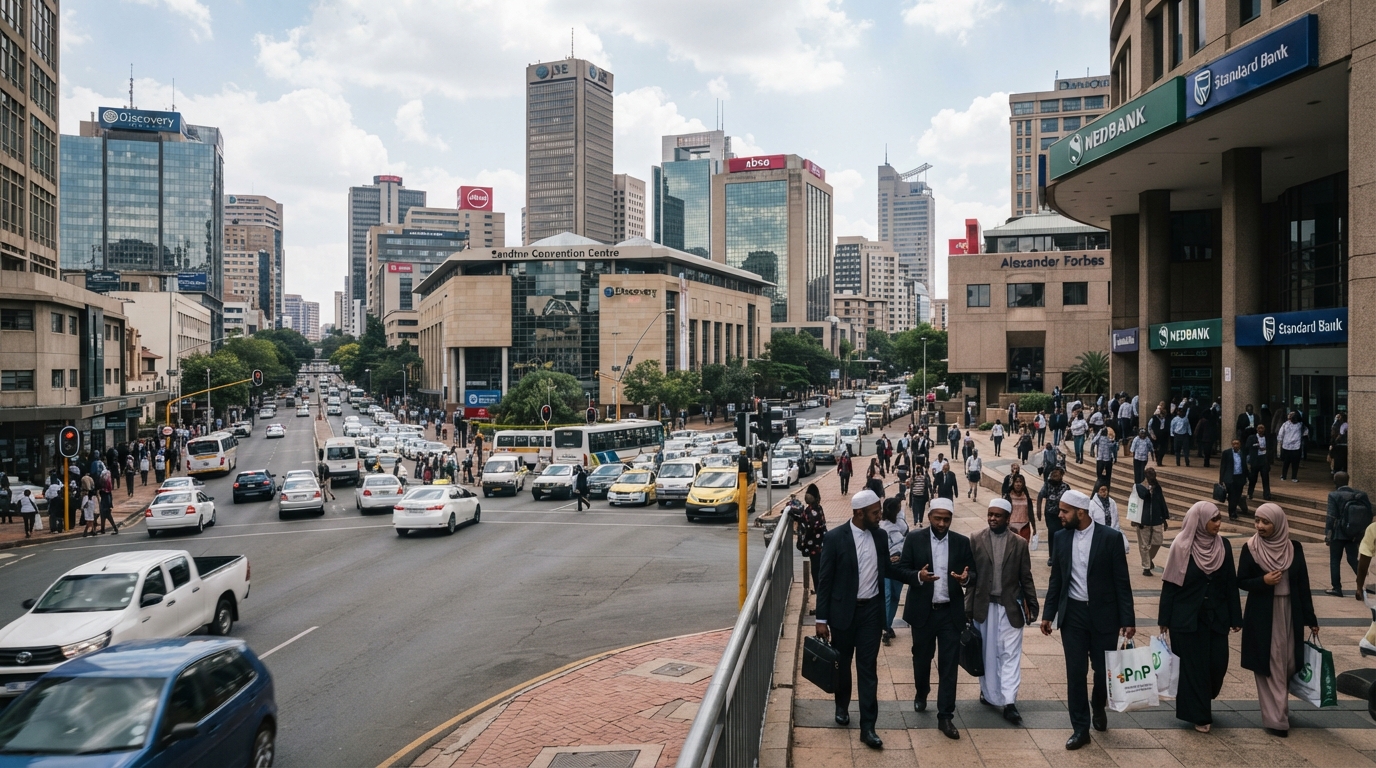
Recent social media discussions have ignited a contentious debate around the increasing prevalence of halaal-certified food products and establishments in South Africa. While online commentary often frames this as a cultural imposition, for the discerning business community, the rise of halaal represents a significant and growing market segment, a testament to evolving consumer demands and regulatory frameworks within the nation's diverse economic landscape. This trend holds notable implications for the food processing, retail, and logistics sectors, extending beyond religious observance to encompass consumer choice and brand strategy.## Unpacking the Halaal Market DynamicsThe Arabic term "halaal," meaning "permissible" or "lawful," defines a set of dietary and lifestyle guidelines for Muslims. Far from being solely about meat slaughter, it encompasses ingredients, processing, manufacturing, and storage, ensuring adherence to Islamic law. South Africa hosts several respected halaal certification bodies, such as the SA National Halaal Authority (SANHA), the Muslim Judicial Council (MJC), and the National Independent Halaal Trust (NIHT). These organisations play a critical role, providing declarations that products, brands, or establishments meet stringent halaal criteria, thereby facilitating consumer trust and market access. Misconceptions, such as the idea of "sacrifice" in everyday halaal slaughter, are often at the root of public misunderstandings, when in reality, standard halaal slaughter practices are often aligned with modern, hygienic food preparation standards.## Growth, Choice, and Commercial ImperativesThe expansion of halaal offerings in South Africa is not merely a demographic reflection of its Muslim population (estimated at 1.5% according to the 2022 Census). It speaks to broader commercial imperatives and evolving consumer preferences. Many non-Muslim consumers opt for halaal products due to perceptions of quality, hygiene, and ethical sourcing, viewing certification as an additional layer of assurance. Furthermore, the South African Constitution upholds freedom of religion and the right to culturally appropriate food, underpinning the legitimacy of this market's growth. For businesses, meeting this demand translates into market share, product diversification, and a competitive edge in an increasingly discerning consumer environment.## The South Africa AngleFor JSE-listed entities and enterprises operating within South Africa's robust food industry, the halaal market is a segment ripe with opportunity, yet susceptible to misinformed public discourse. Food producers, from agricultural suppliers to major processors, must strategise around halaal certification to access this lucrative domestic and international market. Retail giants stand to benefit from expanding their halaal product lines, appealing to a broader consumer base and strengthening supply chain resilience. Logistics companies must adapt to specific handling and storage requirements to maintain halaal integrity. Beyond domestic sales, South Africa's established halaal certification infrastructure positions it well for exports to the global halaal market, estimated to be worth trillions of dollars annually. Navigating public perception, combating misinformation, and clearly communicating halaal standards are crucial for brand reputation and sustaining investor confidence in companies serving this vital segment of the South African economy. Ignoring or mishandling this market not only risks alienating a significant consumer group but also forfeits substantial growth potential.Source: Daily Maverick