
Durban's Hidden Pedigree: How a South African Education Forged a Literary Titan
Explore how Fernando Pessoa, Portugal's literary titan, gained a foundational education in Durban, South Africa, shaping his global intellectual legacy.
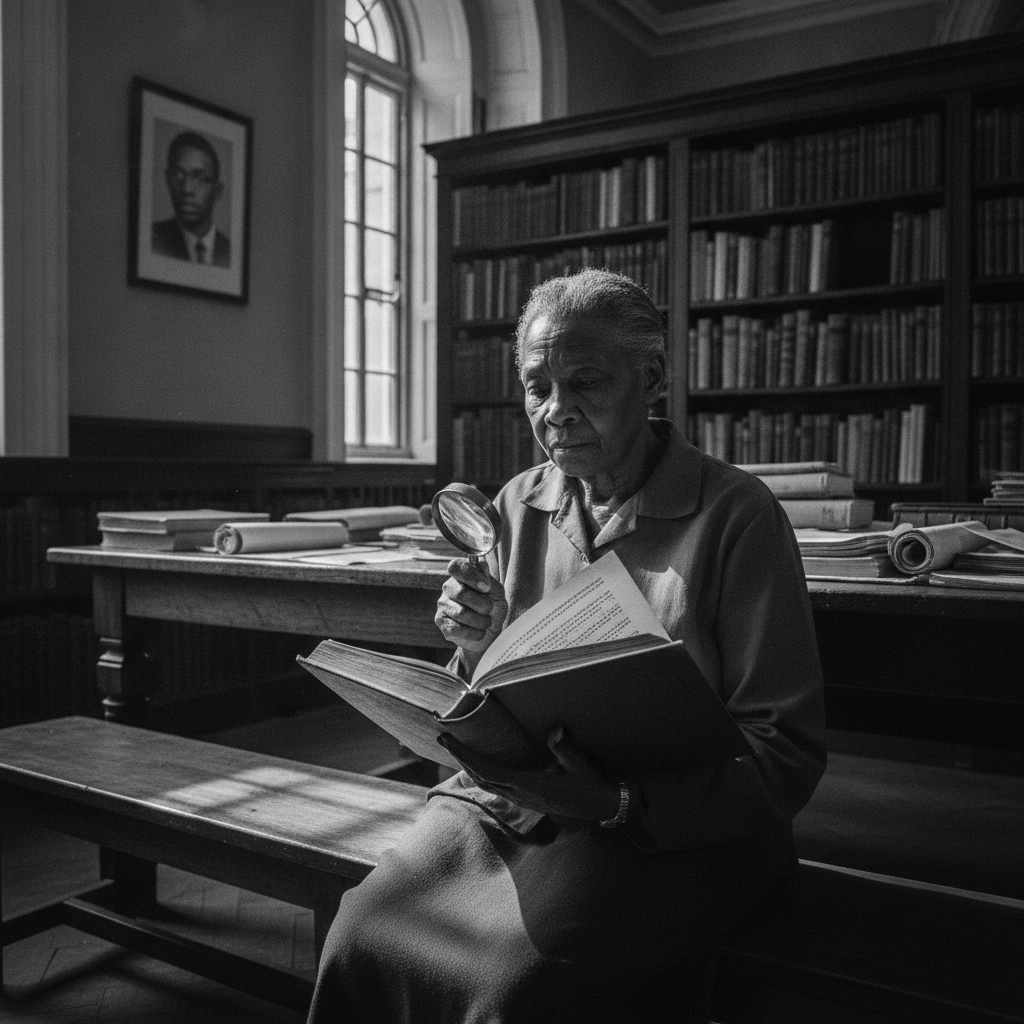
The recent South African tour by Richard Zenith, acclaimed biographer of Fernando Pessoa, has cast a fresh spotlight on an often-overlooked facet of the Portuguese literary giant's formation: his foundational education in Durban. While Pessoa is celebrated globally for his philosophical depth and groundbreaking literary alter-egos, the indelible mark left by his decade in South Africa offers a compelling narrative on the unexpected vectors of intellectual development and global cultural exchange.
A Decade in Durban: Anglophone Foundations
Pessoa, born in 1888, spent his formative years in Durban between 1896 and 1905. During this period, he immersed himself in an anglophone education system, first at St Joseph's, then Durban Boys High, and finally the Commercial School. It was here that he encountered the works of William Shakespeare, a profound influence that Zenith suggests mirrored Pessoa's burgeoning philosophy of depersonalisation and the creation of distinct authorial voices. This isn't merely a biographical detail; it underscores how a rigorous, imperial English education in colonial South Africa provided the intellectual bedrock for one of Europe's most innovative literary minds.
His academic prowess during this time was remarkable. In 1903, the teenage Pessoa won the prestigious Queen Victoria Prize for an entrance exam essay for the University of Good Hope, publishing his first poem in English under an early heteronym, Charles Robert Ano. This period of intense intellectual growth in Durban was pivotal, shaping his linguistic fluency and conceptual frameworks long before his return to Lisbon at 17. Zenith, whose monumental 1,050-page biography was a Pulitzer Prize finalist, highlights this South African decade as crucial to understanding Pessoa’s later work, including his unfinished magnum opus, The Book of Disquiet.
The South Africa Angle
For SA Business Daily's audience, Pessoa's Durban connection transcends literary anecdote. It serves as a powerful reminder of South Africa's historical role as a crucible for intellectual development and a hub for global talent. This narrative resonates with contemporary discussions around human capital development, the quality of our education system, and the nation's capacity to foster globally competitive minds. Pessoa's story illustrates that a robust educational foundation, irrespective of its colonial origins, can seed innovation and intellectual output with international reach. In an era where South Africa strives to boost its global competitiveness, attracting and nurturing talent, and leveraging its educational institutions, Pessoa's legacy quietly underlines the profound impact our educational ecosystem can have on shaping future leaders, thinkers, and innovators who may eventually contribute to the global economy and cultural landscape.
This historical example prompts consideration of the long-term economic and cultural dividends of investing in quality education and creating environments conducive to intellectual curiosity and development. It's a testament to the fact that foundational skills acquired locally can translate into global influence, a lesson pertinent to modern South Africa's aspirations for growth and global standing.
Source: Daily Maverick