
SA Entrepreneurship Reimagined: Flexible Franchise Models Unlock New Ownership Avenues
New, agile franchise and independent ownership models are slashing capital entry costs, fostering local entrepreneurship, and expanding business opportunities across South Africa.
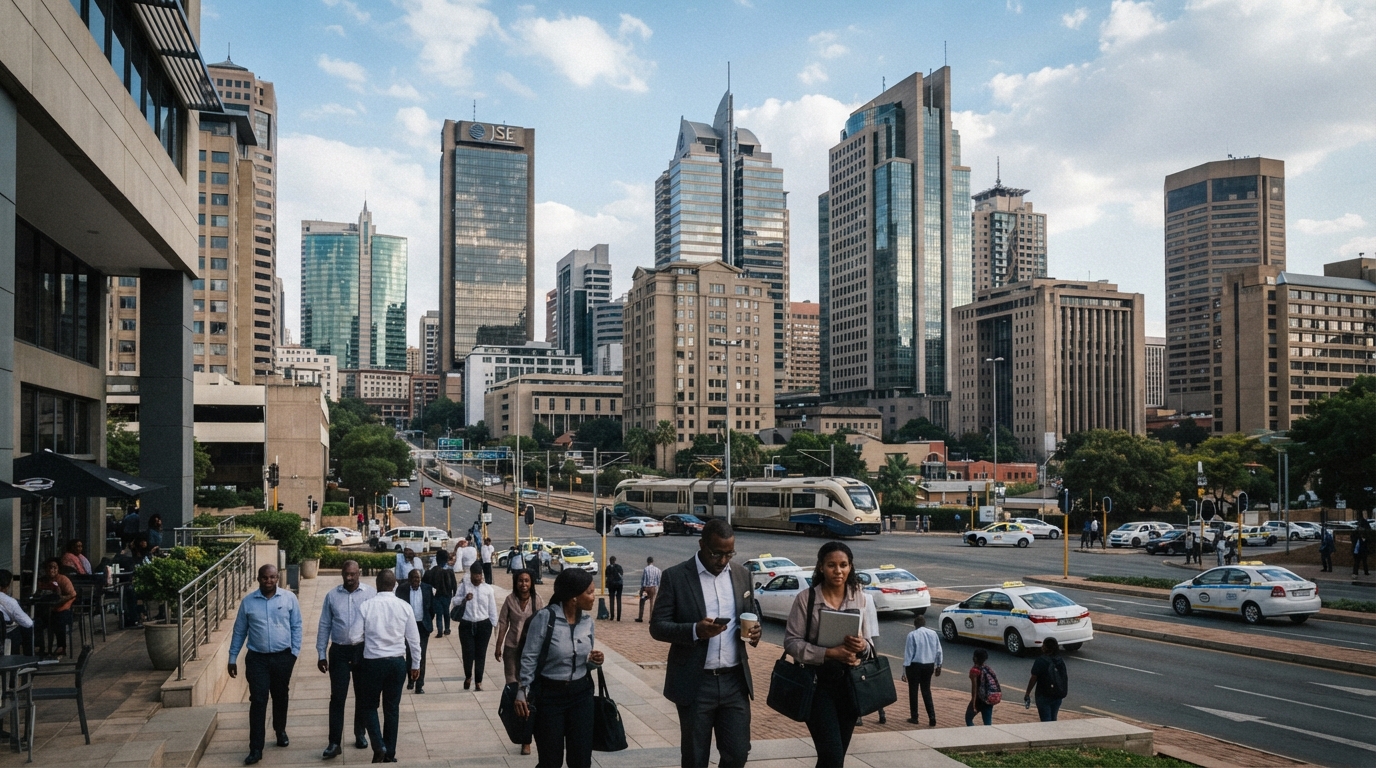
The South African franchising sector, a robust contributor to the national economy, is undergoing a significant transformation. Accounting for an estimated R1-trillion in annual turnover and contributing roughly 3% to the country's GDP, the industry is witnessing the emergence of innovative models designed to lower entry barriers, boost local entrepreneurship, and adapt to evolving consumer behaviours. This shift promises to reshape how businesses expand and how individuals access ownership.## Capital-Light Expansion Takes Centre StageA prime example of this evolution comes from Col’Cacchio, the established Italian eatery brand. After over three decades, the company is rolling out its "Col’Cacchio Go" model. This lean, small-format outlet focuses primarily on digital click-to-collect and delivery services, a direct response to the surge in online ordering. Crucially, this adaptation drastically reduces the initial capital expenditure for new owners, plummeting from an estimated R6-million to R8-million for a traditional restaurant to a more accessible R2-million to R2.5-million. This operational pivot addresses mounting overhead pressures and paves the way for expansion into previously underserved regional markets, optimising the unit economics for a digitally-driven retail landscape.## Fostering True Business PartnershipsCol’Cacchio Group CEO Etienne Pieterse champions a philosophy of "partners" over "franchisees," aiming to foster a more collaborative and innovative ecosystem. This approach allows for greater operational flexibility at the local level. While core commodity standards for ingredients remain stringent nationally, individual partners are empowered to source fresh produce and even wood locally, ensuring quality while supporting regional economies. Furthermore, partners can introduce unique menu items tailored to local tastes, preserving a community-focused dining experience. This decentralised autonomy empowers local owners, fostering a sense of true ownership and responsiveness to their specific markets. Pieterse notes that each outlet, despite being part of a larger brand, functions like a "mom-and-pop" store driven by local owners’ dedication.## The Independent Ownership FrontierFurther pushing the boundaries of traditional business expansion is Vladislav Priadko, founder of Coffee Bike World. Priadko advocates for a model centered on independent equipment ownership, eschewing recurring franchise fees, ongoing royalties, and mandatory purchasing obligations. His experience as an operator inspired a structure where the initial capital investment covers specialised mobile equipment, comprehensive operational training, and supply chain access. This model allows owners to cultivate their own brand and benefit directly from local relationships and reputation, rather than being solely tethered to a franchisor's identity. With 36 mobile units distributed across 31 independent owners internationally, this approach demonstrates that operational knowledge can travel without requiring rigid, uniform execution, offering a highly agile and owner-centric path to market.## The South Africa AngleFor South Africa, these evolving models hold significant promise. The reduced capital outlay associated with concepts like Col’Cacchio Go directly addresses a major hurdle for aspiring entrepreneurs in a capital-scarce environment. By making business ownership more accessible, these models can stimulate SMME growth, a critical engine for job creation and economic transformation. The emphasis on local sourcing, as seen with Col’Cacchio, has direct benefits for regional agricultural suppliers and broader logistics networks, fostering economic activity beyond major urban centres. Furthermore, the push for owner autonomy and local brand building empowers individuals, nurturing a new generation of business leaders responsive to community needs. This shift not only diversifies the retail landscape but also offers a template for how businesses can expand sustainably, integrate into local economies, and contribute to national development targets amidst challenging macroeconomic conditions. It underscores a strategic pivot towards agile, inclusive growth for South Africa's vibrant business sector.Source: Daily Maverick