
Kiwi Political Stalemate: Markets Brace for Weeks of Coalition Drama
New Zealand faces weeks of political uncertainty after a hung parliament. SA Business Daily examines the market implications, coalition challenges, and global e
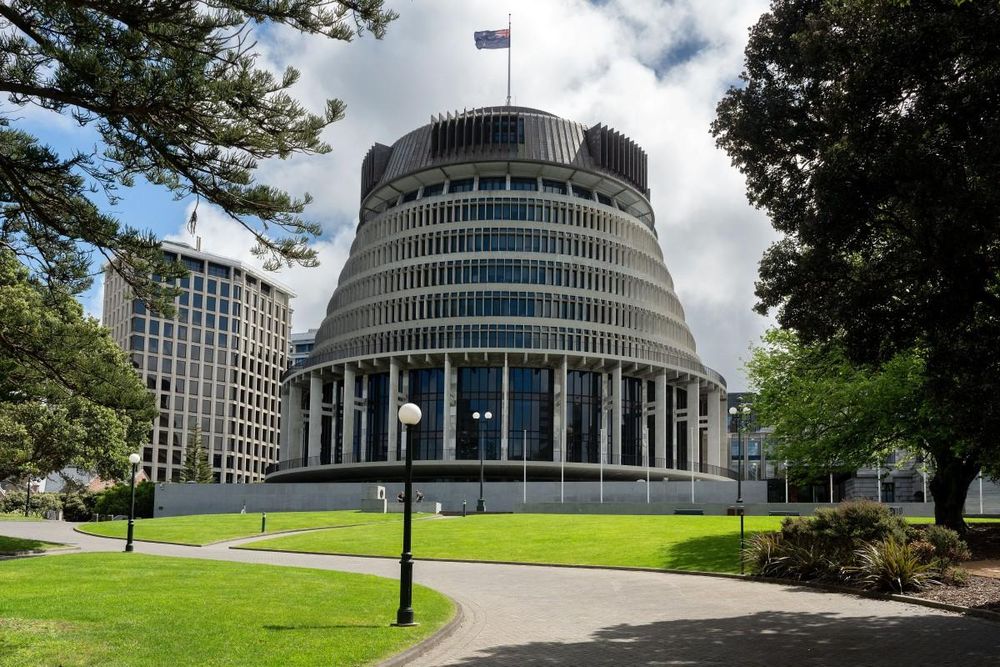
Wellington, New Zealand – New Zealand is grappling with a hung parliament following a razor-thin general election, setting the stage for potentially weeks of intricate coalition negotiations and political uncertainty. The outcome has left no clear mandate for either the centre-right National Party, led by Christopher Luxon, or the incumbent Labour Party under Chris Hipkins, thrusting minor parties into unexpected kingmaker roles.
The Delicate Balance of Power
Preliminary results show Luxon’s National Party securing the most seats, projecting a slim majority if partnered with their traditional allies, the populist NZ First and the libertarian ACT parties. However, this narrow margin is vulnerable to the final count, particularly the nearly 400,000 ‘special votes’ yet to be tallied. These votes, which include ballots cast overseas and outside home electorates, have historically shown a lean towards left-leaning parties, potentially shifting the delicate balance by one or two crucial seats. Luxon, while asserting a mandate, acknowledged the definitive outcome remained elusive until the final declaration on November 27.
Opposition leader Hipkins quipped that while the country had spoken, “it may take us a little bit longer to figure out exactly what it is that you’ve said,” highlighting the complexity ahead. His Labour bloc, along with the Green Party and Te Pati Maori, faces an even narrower path to forming a government, dependent on significant shifts in the special votes.
The Role of Kingmakers and Economic Context
The fragmented result has amplified the influence of smaller players, notably the centrist Opportunity Party, which is projected to secure several seats and could become a pivotal force in any future governing arrangement. This scenario underscores New Zealand’s mixed-member proportional representation system, where voters choose both a party and an individual electorate representative, often leading to diverse parliamentary representation.
The political uncertainty comes at a challenging time for New Zealand’s economy. Prime Minister Luxon has pointed to global headwinds, including the war in the Middle East and subsequent fuel price shocks, as contributing factors to the nation's economic difficulties. Prolonged political gridlock could further dampen business confidence and investment, as policymakers struggle to implement a stable agenda.
The South Africa Angle
While New Zealand may seem geographically distant, its political developments offer pertinent lessons and parallels for the South African business community. Firstly, the challenges of forming stable coalition governments in highly proportional electoral systems are acutely relevant to South Africa, which has seen increasing fragmentation in its own political landscape. The balancing act between large and smaller parties, the negotiation of policy concessions, and the potential for instability directly impact investor sentiment and policy certainty – critical factors for the JSE and the Rand. Secondly, the impact of global economic shocks, like rising fuel prices, on even developed economies such as New Zealand, underscores the vulnerability of nations to external forces. This serves as a reminder for South African businesses and policymakers to factor global volatility into their strategic planning, particularly in sectors tied to international trade and commodity markets. Finally, the weeks of anticipated political wrangling highlight how uncertainty, regardless of the economy’s size, can delay critical policy decisions and affect market perceptions, a lesson well understood by South African enterprises navigating their own complex political and economic environment.
Source: IOL Business